$19.6 million funding boost to improve inclusion of people with disability
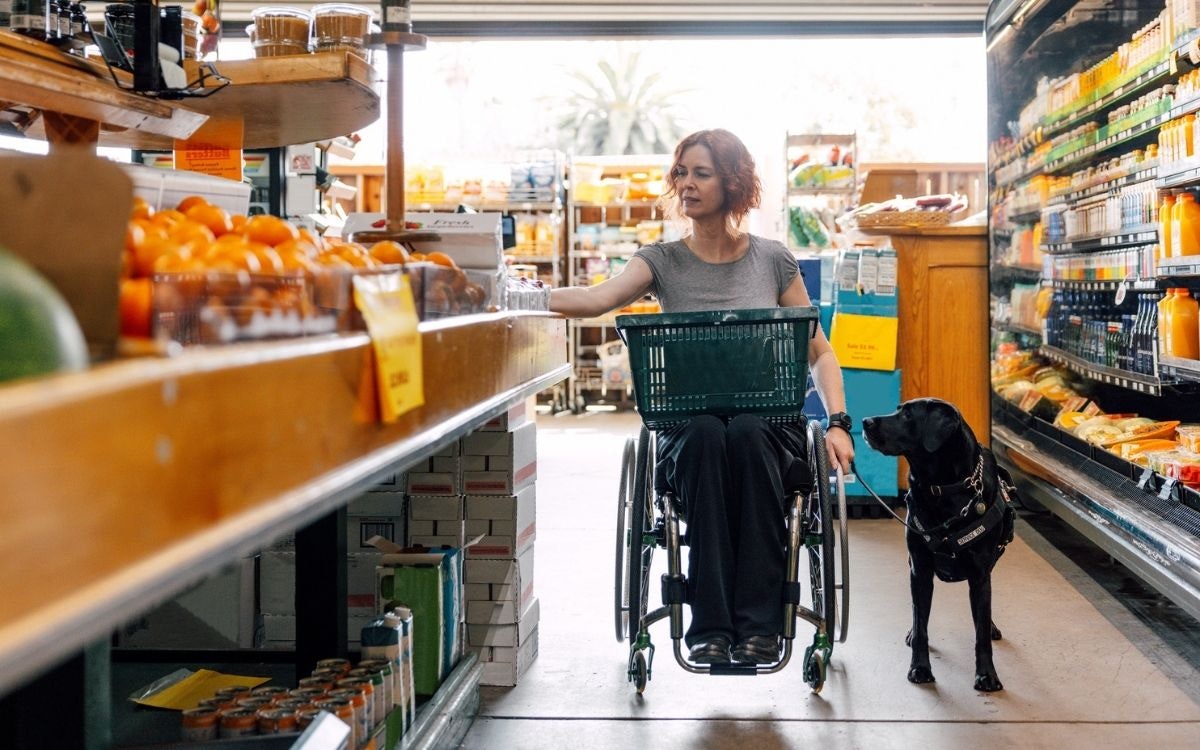
The federal government has launched the $19.6 million Inclusion and Accessibility Fund to make Australia more inclusive for people with disability. The initiative will fund 25 projects that challenge public attitudes, improve access to services, and strengthen community participation – many led by people with lived experience of disability.
The Australian Government has announced a $19.6 million investment via the new Inclusion and Accessibility Fund, aimed at breaking down barriers and shifting attitudes so people with disability can participate more fully in everyday life.
What this means for you
If you’re a person with disability – or know someone who is – this investment is relevant. The money will support 25 organisations across Australia to deliver projects tackling issues such as:
- encouraging inclusive attitudes in schools, workplaces and community spaces;
- developing practical resources and tools to improve access and inclusion in both mainstream and specialist services;
- promoting greater community participation for people with disability.
Why now?
The funding comes in response to lingering systemic and attitudinal barriers that many people with disability continue to face in Australia – for example, obstacles to work, education and full community life.
The fund also responds to recommendations from the Disability Royal Commission aimed at addressing those barriers.
Who will lead the change?
A big part of this announcement is that the projects will be led or shaped by people with lived experience of disability. That means the solutions aren’t just top-down, but at least in part driven by the community itself.
For example:
- Powerd Media (a disability-led media organisation) is using its grant to produce Australia’s Disability Strategy Podcast, six episodes hosted by disabled lawyer and writer Sam Drummond. The podcast will explore different outcomes of Australia’s Disability Strategy, highlight lived experience and aim to shift public understanding.
- The Achieve Foundation will use its grant to build tools for workplaces, schools and communities, training a network of expert communicators to help organisations become more accessible.
Why it matters
Often, the most difficult barrier to inclusion isn’t a physical one – it’s the mindset. The way disability and access are perceived in society influences whether someone gets a chance, a fair go, or just plain respect. This funding targets both practical access and cultural change.
So if you’ve felt sidelined – whether in an education, employment or community setting – this signal from government is a worthwhile one: you’re not being overlooked entirely, and resources are coming your way that aim at the root of exclusion (attitudes + access) rather than just the surface.
What you can do
- If you’re part of a disability-led organisation, community group, school or workplace: watch for grant opportunities from this fund or similar programs – and consider how your project could shape attitudes, not just remove barriers.
- Ask your local services: “How accessible are you really?” – not just physically, but in your policies, inclusion approach, attitude-training, and engagement of people with disability in shaping what you do.
- For people with disability and their supporters: keep your eyes open for new tools, resources, podcasts and community-led programs stemming from this funding. These will be practical opportunities to engage, benefit and influence.
- Share your lived experience. Many of the funded programs rely on stories – if you’re willing and able – your voice matters.
This initiative isn’t a silver bullet. It won’t remove every barrier overnight. But it’s an important step. By investing in inclusive culture and access, the Australian Government is signalling that full participation of people with disability is a policy – and that inclusion isn’t just about ramps and toilets, it’s about respect, opportunity, and community.