Are Queensland’s new “special schools” a step forward or a step back?
Queensland plans to build six new special schools, but disability advocates warn it’s a step away from inclusive education. Supporters say it meets urgent needs, while critics argue it entrenches segregation and limits future choices for children with disability.
Queensland’s newly elected government is pushing ahead with its largest-ever investment in special schools, announcing plans for six new facilities across South-East Queensland. Education Minister John-Paul Langbroek, speaking with the ABC News, says the move responds to “clear demand”, with capacity for up to 800 students to ease pressure on overcrowded classrooms.
But the announcement has sparked a wave of criticism from disability advocates, parents and inclusion experts — many of whom see it as a step backwards in the fight for inclusive education.
A clash with inclusion commitments
Disability Discrimination Commissioner Rosemary Kayess has called on the government to scrap the plan, arguing it undermines the National Roadmap for Inclusive Education and the recommendations of the Disability Royal Commission, which emphasise educating students with disability in mainstream settings wherever possible.
The Australian Coalition for Inclusive Education (ACIE) warns that the expansion of special schools entrenches a segregated system and breaches Australia’s obligations under the UN Convention on the Rights of Persons with Disabilities (CRPD). Research cited by ACIE shows students in segregated settings are 85% more likely to end up in sheltered employment or group homes.
The argument from government and supporters
The government and some parents argue that the new schools are a practical response to real problems:
- Complex needs require tailored environments – Educators like Andrew Thompson say mainstream classrooms often lack the resources and specialist training to meet the needs of students with significant disabilities.
- Overcrowding is hurting students – Special school enrolments have risen nearly 25% from 2020 to 2024, leading to waitlists and stretched facilities.
The human impact
The risk, say advocates, is that new special schools will lock children into segregated pathways from the start. Former Disability Royal Commissioner Alastair McEwin says parents often choose special schools not out of preference but because “the system hasn’t made inclusion possible”.
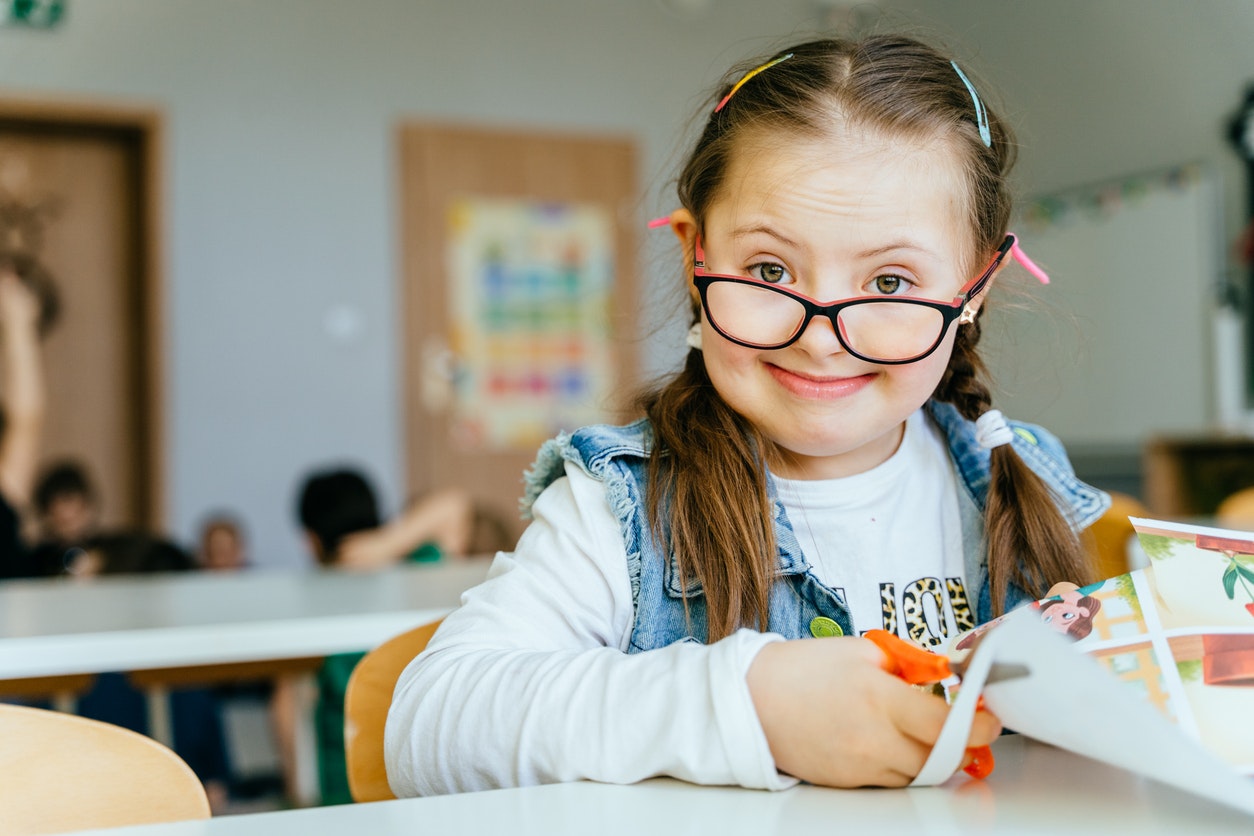
Violet’s story shows what can happen when inclusion works: the 11-year-old with Down syndrome thrives at her local state school, surrounded by peers who accept her as part of the community. Advocates say this is the future all children with disability should have the chance to experience.
Questions for parents and the community
- Do new special schools solve problems — or sidestep the hard work of making mainstream schools inclusive?
- Is “choice” real if mainstream options remain underfunded and underprepared?
- What message are we sending about equality and belonging?
It’s tempting to see the government’s announcement as simply delivering what’s needed right now. But the bigger question is whether building more special schools today will leave our children with fewer choices tomorrow.