Art speaks where words sometimes don’t: women with disability take centre stage
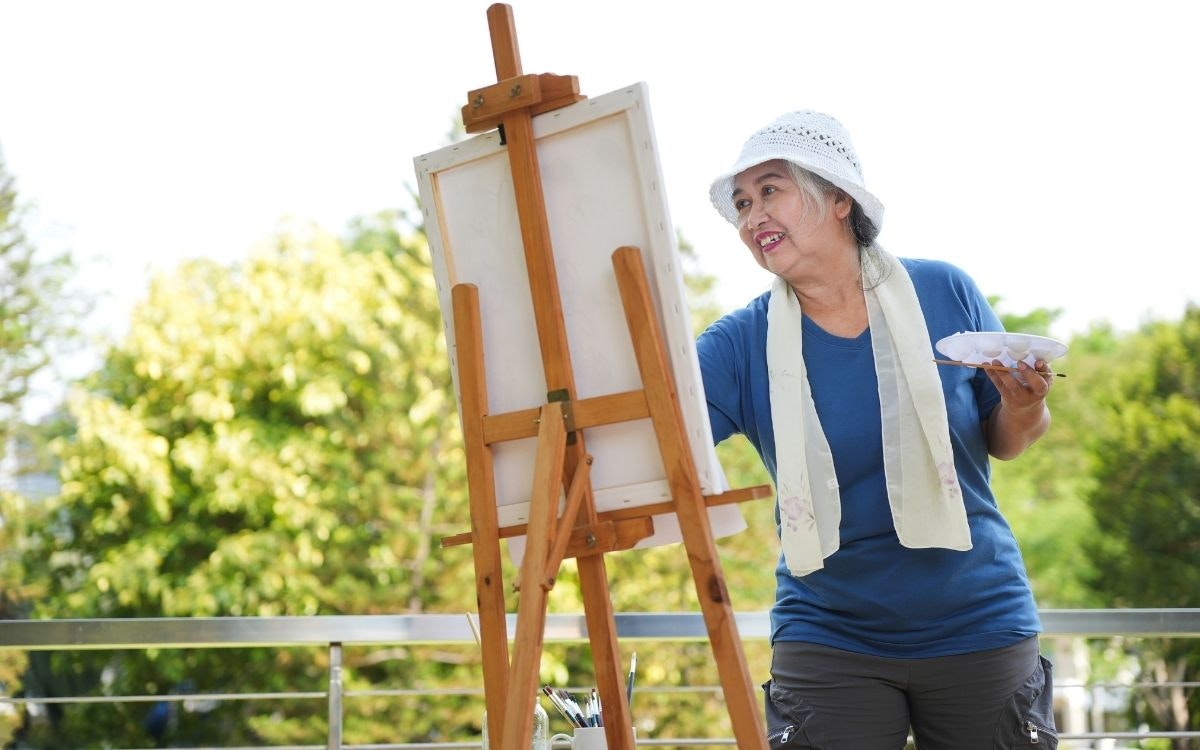
A new Central Coast exhibition is shining a spotlight on women with disability through bold, creative artworks that challenge assumptions, expand representation, and spark deeper conversations about inclusion and cultural value.
An exhibition on the New South Wales Central Coast is proving something obvious – but still worth saying loudly: art made by women with disability deserves space, respect and serious attention.
A new art show led by Central Coast women with disability recently received a $19,400 State Government grant to support the project. The funding recognises not just artistic talent, but the role such exhibitions play in celebrating women’s achievements and empowering marginalised voices.
Why it matters
For too long, disability has been talked about in narrow terms – deficits, dependency, care needs – rather than as lived experience, identity and creativity. Art flips that script. It turns private experience into public conversation, and does so on its own terms.
When women with disability occupy gallery spaces, it pushes back against layers of exclusion that still exist in mainstream culture. It challenges assumptions about who gets to be a “real artist,” who gets funding, and who gets heard. That challenge is political, not aesthetic – and that’s exactly the point.
Creativity and visibility
The Central Coast show joins a growing number of disability-focused creative platforms across Australia that are reshaping how the public sees disability. From inclusive programs like ArtAbility® that bring diverse artists together, to disability arts festivals and mentoring initiatives, the message is clear: art by disabled people isn’t a sideshow – it’s part of the contemporary conversation.
Disability arts organisations around the country – including Arts Access Victoria, Arts Project Australia and others – have long argued that access to art-making, exhibitions and professional support is a human right as much as a cultural good.
Women with disability: double barriers, double impact
Women with disability face what advocates call “intersectional disadvantage.” They are more likely to encounter sexism and ableism in education, employment and public life. Platforms like this exhibition are a rare place where those intersecting identities are foregrounded rather than sidelined.
Organisations such as Women With Disabilities Australia work to amplify these voices across policy, art and community leadership.
More than a show
Exhibitions like this are not just decorative experiences. They are opportunities for audiences to confront and rethink stereotypes about disability. They offer disabled artists professional visibility – a step toward equity in an art world that still often treats disability as niche or “outsider.” Equally, they create social space for connection, conversation and empathy.
Across Australia, disability arts exhibitions are gaining broader recognition – from community galleries to national spotlight moments that challenge traditional hierarchies in the cultural sector. They insist that art doesn’t just reflect society; it shapes it.
Art made by women with disability isn’t a feel-good add-on. It’s a serious cultural contribution. It challenges the status quo, expands what we consider valuable creativity, and makes space for voices too often pushed to the margins. That’s worth funding. That’s worth celebrating. And most of all – that’s worth listening to.
Image credit: Coast Community News