Designing the future: how autonomous vehicles could transform transport for people living with disability
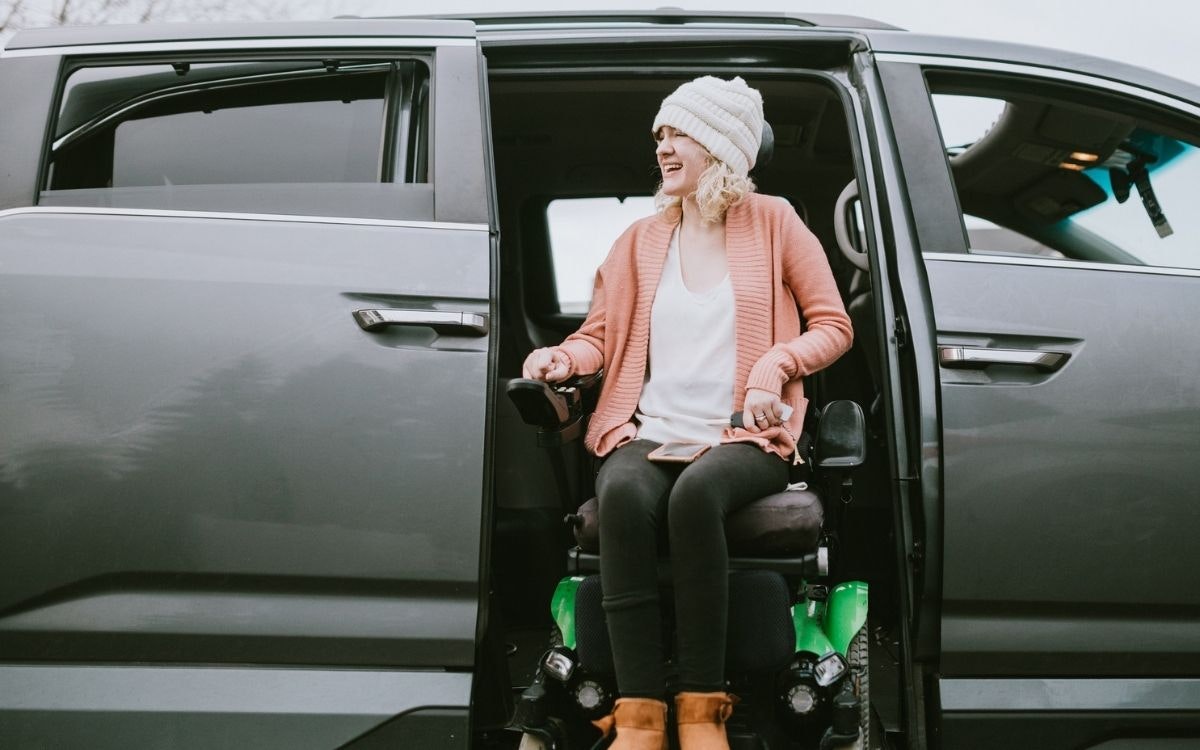
A QUT study has identified key design features that could make autonomous vehicles accessible for people living with disability. Participants prioritised side entry, spacious interiors and multi-sensory communication, urging designers and policymakers to apply universal design principles to future transport systems.
A Queensland University of Technology (QUT) study has found that autonomous vehicles (AVs) could significantly improve access, independence and social participation for people with disability, but only if accessibility is built into the design from the start.
Led by Professor Alexander Paz from QUT’s School of Civil and Environmental Engineering, the research surveyed 343 Australians with living disability about their experiences with current transport systems and what they want from AVs in the future.
What people with disability want from autonomous transport
Participants said that while AVs could make travel easier, current public transport is still full of barriers, from steep ramps and crowded spaces to distant stops and limited support for people with mobility, vision or hearing impairments.
First author Dr Saeed Jaydarifard said respondents wanted AVs that were practical, comfortable and safe to use without assistance.
“They preferred side entry for ease of boarding and disembarking and medium-sized vehicles to balance space, comfort and accessibility,” Dr Jaydarifard said.
Other top priorities included:
- Spacious interiors with adaptable seating and non-retractable wheelchair restraints
- Multi-sensory communication systems for passengers with vision or hearing impairments
- Safety and privacy features that help people feel secure during travel
- Simple, intuitive controls designed for universal access
These features reflect universal design principles, meaning vehicles should be usable by everyone, regardless of ability or circumstance.
Building trust in new technology
While AVs promise greater independence, many participants said they remain cautious. More than half had little or no familiarity with autonomous technology, and 62 percent expressed safety concerns. Almost a quarter also worried about privacy during shared rides.
Dr Jaydarifard said education and awareness campaigns will be essential to help people feel confident about using AVs.
“AVs have the potential to transform mobility for people with disabilities, but only if their diverse needs are considered in the design phase,” he said.
Why inclusive design matters
The study highlights that AVs could dramatically improve access to healthcare, employment and social activities for people with disability if designed inclusively.
Funded by the Queensland Department of Transport and Main Roads, the research brought together QUT academics and accessibility experts including Kevin Cocks AM and Alexander Bubke from the Accessible Transport Network.
The study, Towards universally designed autonomous people mover: a survey analysis, was published in the journal Cities.