Exercise for students with disability boosts wellbeing beyond the classroom
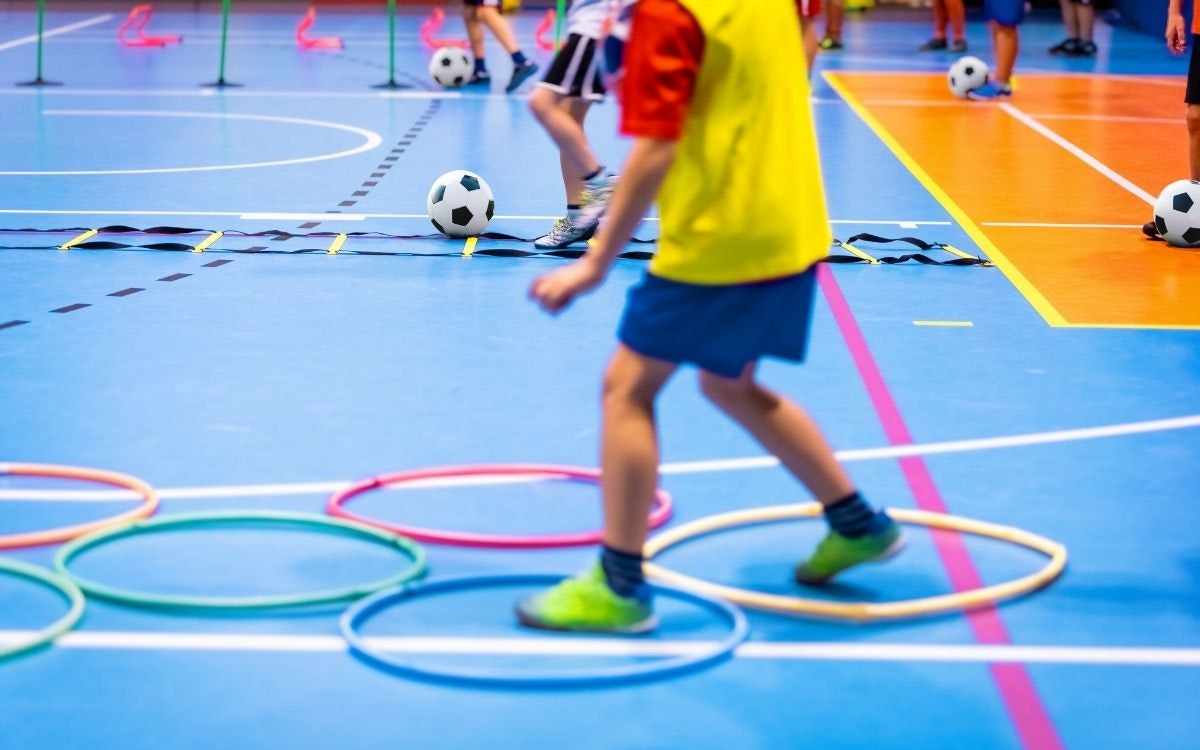
A new University of Newcastle study shows that adapted exercise programs for students with disability significantly improve physical fitness, behaviour and wellbeing – with benefits that last well beyond the classroom.
A new program developed at the University of Newcastle has shown that short bursts of physical activity during the school day can significantly improve health, wellbeing and learning outcomes for students with disability.
Why this matters
Youth with disability are statistically less physically active and are more likely to face chronic health issues than their peers without disability – a pattern that contributes to inequality in health and wellbeing.
Recognising this, researchers – in partnership with special-education teachers, the NSW Department of Education and Special Olympics Australia – adapted a proven program to suit special-education settings.
The resulting initiative, called Burn 2 Learn adapted program, embeds regular, inclusive activity breaks into special-education classes. Activities include foundational resistance exercises (push-ups, body-weight squats), aerobic exercises (shuttle runs), and sports skills such as catching and kicking.
Encouraging results
The study involved 255 students, aged 15–19, with diagnosed cognitive and/or physical disabilities across 28 secondary schools in New South Wales.
Using a modified six-minute walk test – including adaptations for wheelchair users – the group receiving the activity breaks recorded, on average, an additional 20 metres compared to the control group.
Crucially, improvements were modest but sustained: follow-up measures at 9 months showed the activity breaks had become part of the school routine for many.
Beyond physical health gains, the program correlated with improvements in classroom behaviour and self-reported happiness among participants.
According to the lead researcher, developing students’ “physical literacy” – that is, their confidence, competence, knowledge and motivation to be active – is as important as fostering academic skills like literacy and numeracy.
Why this approach is different (and scalable)
What sets Burn 2 Learn adapted apart from many other interventions is its design: instead of relying on external providers, the program trains special-education teachers to deliver activity breaks in regular classes, with minimal outside support. This makes the intervention more scalable, time-efficient and sustainable in real-world school contexts.
Given the neglect of people with disability in many health-promotion and school-based physical activity efforts, this model could serve as a blueprint for inclusive, whole-of-school wellbeing practices.
Broader research context
The positive effects of adapted physical activity for students with disability are consistent with a larger body of evidence: inclusive physical education (or adapted physical education) supports cardiovascular health, motor skills, social-emotional wellbeing, peer relationships, and academic engagement.
Moreover, physical activity in school settings has been linked to improved mood, behaviour, and mental health among students generally – suggesting the benefits extend beyond fitness, promoting wellbeing, confidence, and social inclusion.
What this means for the future
-
Schools should consider embedding regular, inclusive activity breaks as part of the standard curriculum for all students – including those with disability.
-
Policymakers and education authorities ought to support and fund such programs: by building capacity in special-education teachers, not relying solely on external providers.
-
Promoting “physical literacy” should be as much a priority as academic literacy or numeracy: many young people with disability lack access to gyms, sport clubs or organised activity – so school-based programs may be their best chance for regular exercise.
-
Long-term, inclusive exercise programs could help reduce health inequalities associated with disability, support mental wellbeing, improve social inclusion, and build habits that last beyond schooling.