For many NDIS participants outside the cities, telehealth is the only way to access allied health support
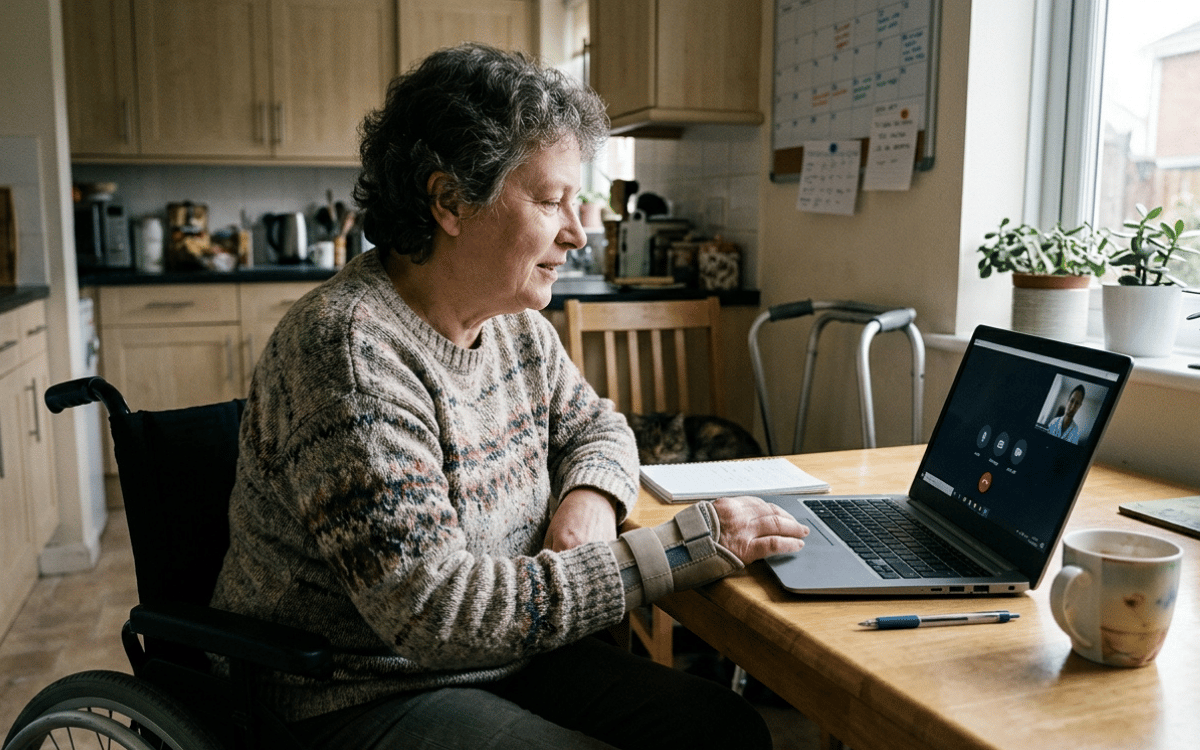
A 50% travel reimbursement cut for allied health providers is making in-person outreach to regional areas uneconomic, accelerating a shift to telehealth. Around 1 in 4 Australians used telehealth for mental health care in 2024–25. For NDIS participants outside the cities, it’s often the only consistent option – and upcoming budget changes make understanding it more important than ever.
Long travel distances, thin local services, and months-long waitlists mean many NDIS participants in regional and remote communities regularly go without allied health support. When the nearest clinician is hours away, missing an appointment can mean missing out altogether.
Telehealth (therapy delivered via video or phone) is the primary way a growing number of participants access support – and recent policy changes have accelerated that shift.
From 1 July 2025, allied health providers can only claim 50% of their hourly rate for travel time under the NDIS. For mobile therapists and regional practitioners, outreach to participants’ homes has become financially unviable for many. Providers across regional Australia have responded by moving clients to telehealth or withdrawing outreach services altogether. Participants who previously had clinicians visit them in person are increasingly being offered video appointments instead.
Around 1 in 4 Australians who accessed mental health care used telehealth at least once in 2024–25, according to the Australian Bureau of Statistics. For NDIS participants in areas where face-to-face services are limited or withdrawing, it’s often the only consistent option available.
Emma Thomas, Area Manager at national disability and mental health provider LiveBig, says the access reality for regional participants is clear.
“For many people, telehealth is the only way they can access therapy,” Thomas says. “If there are no clinicians nearby, or the nearest service is hours away, telehealth makes it possible to receive support that would otherwise be out of reach.”
What works well remotely
Supports that are discussion-based translate well to video or phone. Psychology, behaviour support, and capacity-building sessions typically involve reviewing strategies, problem-solving, and goal-setting. Those work much the same way remotely as in person. Telehealth OT sessions are also billed at the same rate as in-person sessions ($193.99/hr) under current NDIS pricing.
Telehealth also covers temporary disruptions, not only geographic barriers. Illness, fluctuating energy levels, school or work schedule changes, or periods of heightened anxiety can all make leaving home difficult. Switching to telehealth lets sessions continue without losing progress.
There’s a practical benefit to home-based sessions too. Clinicians can see a participant’s actual environment through video: daily routines, physical layout, real-time challenges. That lets them tailor strategies to how the person actually lives. For some participants, familiar surroundings also reduce the stress of appointments somewhere unfamiliar.
What’s changing in 2026
Participants should be aware of two changes coming later this year that affect the supports telehealth commonly delivers.
From 1 October 2026, the NDIA will progressively adjust budgets for capacity building daily activities and social and community participation supports. These are the categories that often fund psychology, behaviour support, and capacity building sessions – the exact supports that translate well to telehealth. The government has confirmed essential care and daily living supports won’t be affected, but capacity building funding will reduce for many participants.
Separately, the government’s broader NDIS reset – announced in April 2026 – will tighten eligibility and reduce average plan funding from approximately $31,000 to $26,000 over the next two years. Participants with reviews or reassessments coming up should get advice on how the changes apply to their plan before proceeding.
For more on what the reforms mean for participants, the NDIS has a summary at ndis.gov.au and the government’s reform page is at health.gov.au/securingtheNDIS.
Getting started with telehealth
For participants unsure whether telehealth suits their needs, LiveBig offers a free consultation with a clinician to assess fit and determine the right approach.
“Access shouldn’t depend on your postcode,” Thomas says. “Telehealth means people can begin working towards their goals sooner, rather than waiting months or missing out entirely.”
LiveBig has also released a podcast episode covering what telehealth sessions look like in practice, which supports work well remotely, and how participants can move between in-person and telehealth appointments as their needs change.
Listen to the episode at the LiveBig podcast, or find out more at livebig.com.au.