How the Wicked movies are shifting disability representation on screen
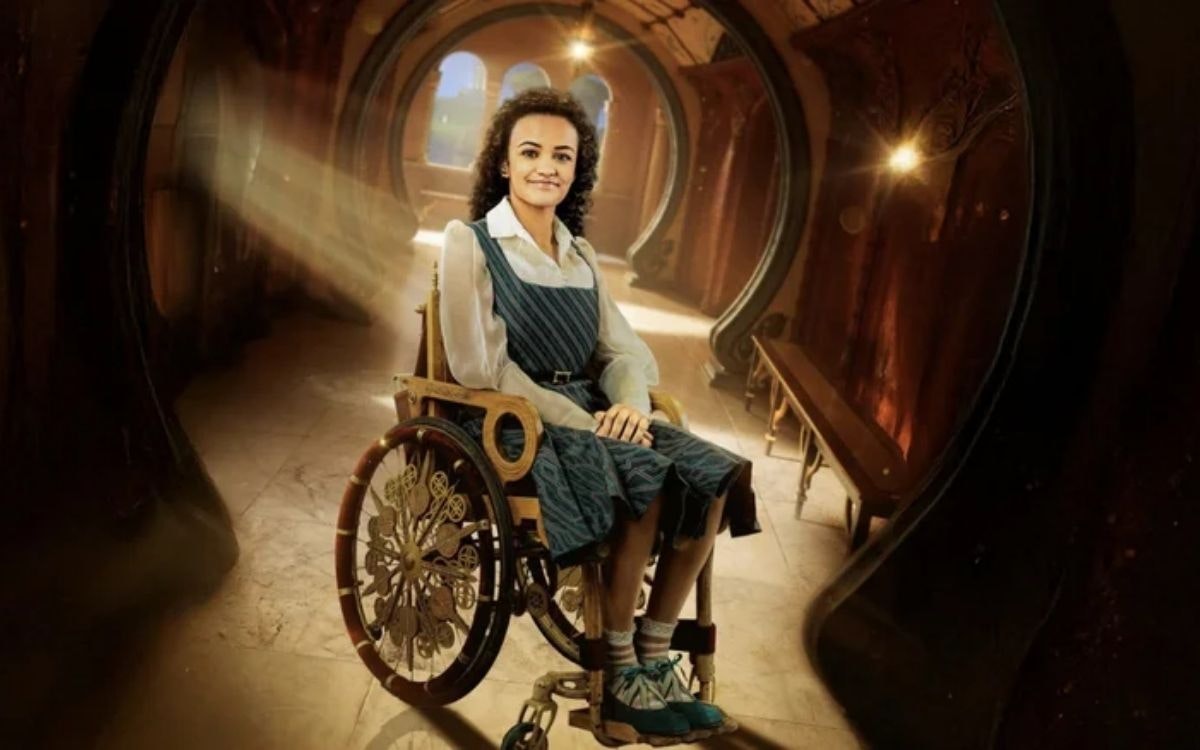
Marissa Bode’s role in the Wicked films marks a significant shift in how disability is represented on screen. From authentic casting to accessible production practices, her performance highlights what real inclusion in film should look like.
Marissa Bode, who plays Nessarose Thropp in the Wicked films, is making a clear impact on how disability is portrayed in major studio productions. She is the first disabled actor to take on the role, which has traditionally been filled by non-disabled performers since the stage musical premiered in 2003.
A meaningful casting choice
Casting Bode as Nessarose challenges the long-held industry habit of “cripping-up,” where non-disabled actors are placed in disabled roles. Her presence in the film signals that authentic casting isn’t just possible at the blockbuster level – it’s overdue.
Accessibility built into the production
Bode has spoken openly about the accessible setup she experienced on set. She had a fully accessible trailer, voice-activated doors and a disability coordinator, Chantelle Nassari, who ensured filming spaces were actually usable. Knowing the environment was safe and welcoming meant she could focus entirely on the work rather than logistics most productions simply ignore.
More than token representation
Authenticity isn’t just about who is cast – it’s in how the character is written. In the original stage show, Nessarose’s arc included a magical moment where enchanted shoes let her walk again. Many disabled audience members criticised the storyline for leaning into the tired “fixing disability” trope.
For the sequel, that element has been reworked. Instead of regaining the ability to walk, Nessarose’s shoes allow her to float – a shift that avoids suggesting disability needs to be undone to be meaningful. Bode has emphasised that disabled characters deserve nuance, depth and storylines that don’t hinge on erasing who they are.
Navigating backlash
Progress doesn’t come without backlash. After the first film’s release, Bode faced ableist comments online mocking not the character but her disability. She pushed back, reminding people that disability isn’t fictional, and attacking an actor’s body or mobility is not legitimate criticism – it’s discrimination.
What the industry needs next
Research over the past decade shows that disabled characters on screen are still overwhelmingly played by non-disabled actors. Bode hopes her casting encourages a shift: disabled actors should be hired for disabled roles, and they should also be considered for parts where disability isn’t part of the character description.
She’s also clear that representation shouldn’t end in front of the camera. Disabled creatives should be writing, directing and shaping the industry from the inside, not just appearing as on-screen symbols of “diversity.”