Making Australia’s hottest season work for people living with a disability
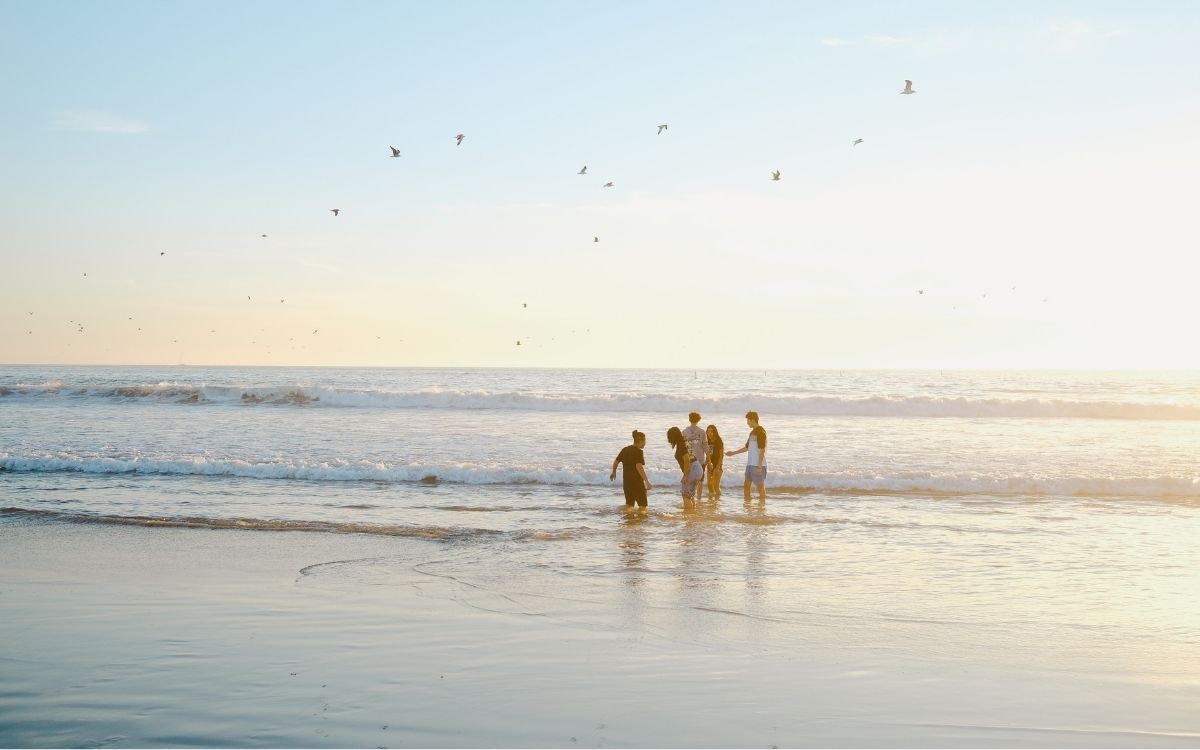
Australia’s summer can be exhausting or inaccessible for people with disability — but many are reshaping the season to suit their bodies and support needs. From heat-smart planning and accessible spaces to redefining what “summer fun” looks like, people are enjoying summer on their own terms.
For many Australians, summer is sold as a single experience: long beach days, packed festivals and endless heat. But for people with disability, that version of summer can be inaccessible, unsafe or simply exhausting.
The good news is that more people are choosing not to sit summer out — they’re reshaping it. Across Australia, people with disability are finding ways to enjoy the season on their own terms, with the right supports, smarter planning and environments that actually work.
Redefining what “summer fun” looks like
Enjoying summer doesn’t have to mean lying on the sand at midday. For many people with disability, summer works best when it’s quieter, cooler and more flexible.
Early-morning outings are a popular choice. Beaches and parks are calmer before the heat sets in, and accessibility features like beach mats and accessible toilets are often easier to use without crowds. Shaded picnics, evening swims and backyard barbecues replace high-energy, all-day events.
Others are choosing indoor or low-sensory alternatives — air-conditioned galleries, libraries, cinemas and community centres. These spaces offer connection and culture without the physical stress that heat can bring.
Summer still feels like summer — just without the pressure to conform to someone else’s idea of it.
Heat-smart supports make the difference
Heat is more than uncomfortable. For many people with disability, it can worsen symptoms, limit mobility or increase fatigue. That’s why the right supports matter.
Support workers who understand pacing, hydration and cooling can turn summer from a risk into a manageable season. That might mean scheduling shorter outings, carrying cooling towels or misting fans, or simply knowing when it’s time to head home.
Assistive technology also plays a role. Lightweight mobility aids, breathable seating, cooling vests and smart home devices that manage temperature can significantly reduce the impact of heat. These aren’t luxury extras — they’re tools that make participation possible.
When supports are proactive rather than reactive, people can plan with confidence instead of avoiding summer altogether.
Accessible places are opening doors
Across the country, small changes are having a big impact.
More beaches now offer beach wheelchairs and matting, allowing people to reach the water safely. Public pools are improving hoist access and quiet swim times. Councils are trialling sensory-friendly events, with shaded areas, clear signage and reduced noise.
Tourism operators are also lifting their game. Accessible cabins, step-free accommodation and clearer information about access mean people with disability can travel during summer without constant uncertainty.
These changes don’t just benefit people with disability — they make summer more comfortable for everyone.
Choice, control and saying no
A positive summer doesn’t mean doing more. Sometimes it means doing less — and feeling good about that choice.
People with disability are increasingly confident in setting boundaries around energy, health and safety. That might mean declining invitations, leaving early or changing plans at the last minute.
That choice is powerful. It shifts the focus from “keeping up” to listening to what your body needs. It also challenges the idea that participation only counts if it looks a certain way.
Summer becomes less about endurance and more about enjoyment.
Connection without burnout
Summer can be isolating if traditional social spaces aren’t accessible. But people are creating their own ways to connect.
Small gatherings, online communities, local meet-ups and shared activities tailored to access needs are thriving. These spaces prioritise comfort, consent and mutual understanding — and they’re often where the best summer memories are made.
For some, summer is also a time to slow down, rest and reset. That, too, is a valid and positive experience.
A season that works for us
Australia’s summer doesn’t need to be fixed — but the way we approach it does.
When environments are accessible, supports are thoughtful and people are free to define their own version of summer, the season opens up. It becomes something to look forward to, not something to endure.
Summer on our terms isn’t about lowering expectations. It’s about making space for different bodies, different needs and different ways of living well.
And that’s a version of summer worth celebrating.