Mandatory registration for SIL and online platform providers to start in July 2026
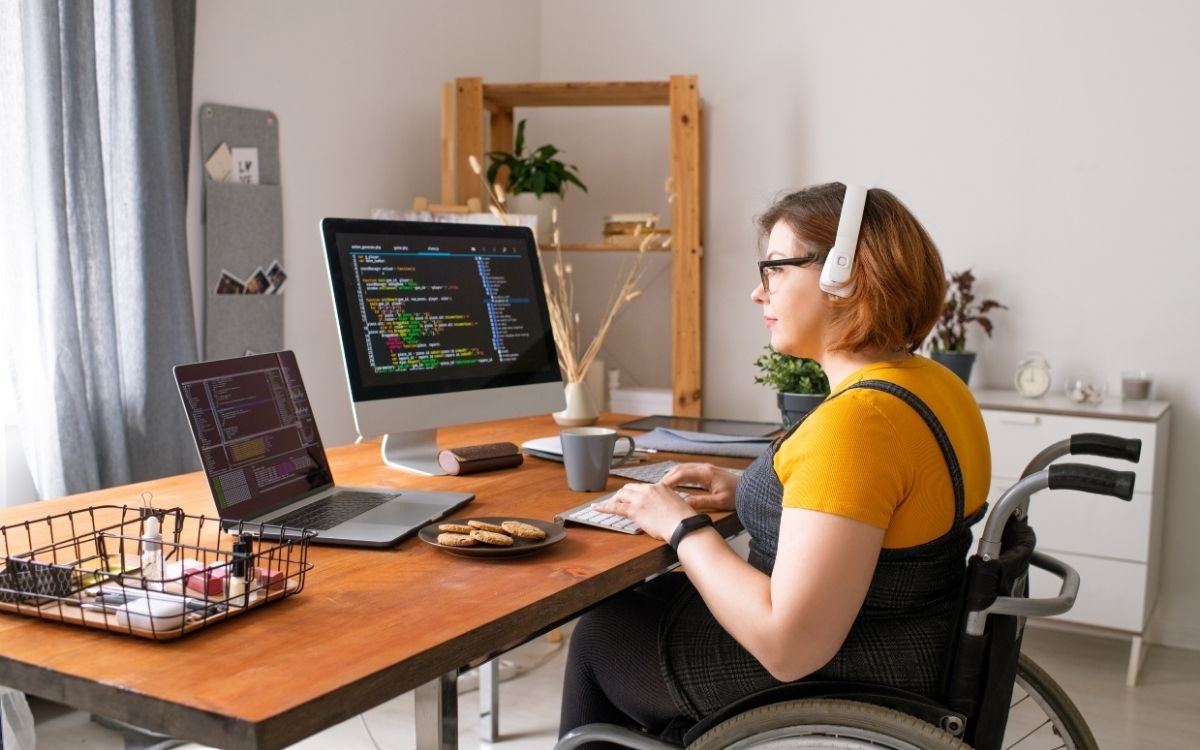
From July 2026, Supported Independent Living and digital platform providers must be registered with the NDIS Commission. The change aims to strengthen quality and safety — but may also reshape participant choice and provider availability.
The federal government has confirmed that Supported Independent Living (SIL) providers and digital platformproviders will have to be formally registered with the NDIS Quality and Safeguards Commission from 1 July 2026. This is one of the most significant changes to how supports are regulated since the National Disability Insurance Scheme (NDIS) began.
Under the new rules, every provider delivering NDIS-funded SIL and platform services must be registered. Registration brings providers under nationally consistent standards, including independent audits, worker screening checks, suitability assessments and reporting requirements — safeguards already in place for many other types of NDIS providers.
SIL supports help people with disability live as independently as possible. They can include assistance with daily tasks — such as personal care, meal preparation and household routines — particularly for people living in shared accommodation. Digital platform providers operate online marketplaces that connect participants with support workers.
Government aims to lift quality and safety
NDIS Minister Senator Jenny McAllister said the move sets a “higher bar” for services in what are often higher-risk settings. She stressed that a provider must demonstrate a genuine capability to deliver safe, quality supports. Providers who can’t meet the new requirements will no longer be able to operate under the scheme.
The NDIS Commission’s chief, Louise Glanville, said mandatory registration will give the Commission greater oversight of who is operating in the NDIS market and help participants feel more confident about the supports they receive.
More detailed guidance and transition arrangements will be released by the NDIS Commission in early 2026 to give providers adequate time to prepare.
Reactions from across the sector
The move has attracted mixed reactions in the disability community and among providers.
-
National Disability Services (NDS) welcomed the change as a practical and proportionate step towards stronger regulation, saying it aligns the disability sector with other service industries.
-
Some advocates and participants support tighter standards but stress the importance of preserving choice and control for people with disability, particularly for those using individualised living arrangements or directly engaging support workers.
-
Others in the sector have raised concerns about added bureaucracy and costs, worry about worker shortages and say that smaller or individual support providers could be squeezed out.
What this means for participants
For people with disability and their families, supports should continue without interruption during the transition period. But some current unregistered providers may decide not to register, which could change the options available to participants from mid-2026.
If you work with unregistered SIL or platform providers, it’s wise to ask them about their plans for registration and how they expect services to change, and to check in with your planner, local area coordinator or support coordinator as the deadline approaches.
Click here to search for support for people living with disability in Australia