Two in five Australians sidelined: new report exposes the participation gap
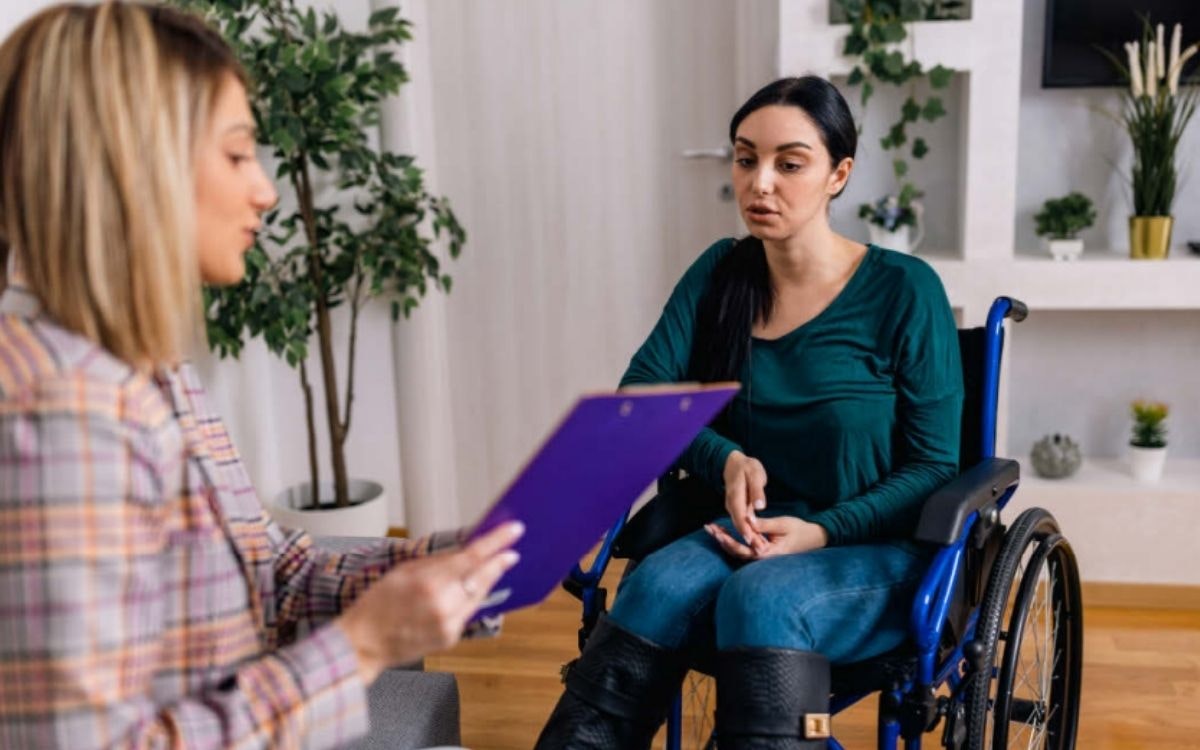
A new national report from Occupational Therapy Australia reveals that two in five Australians are sidelined from work, study or community life due to health issues or disability. The findings highlight deep participation gaps, gender and income inequities, and the vital role of occupational therapy in rebuilding independence.
A new national report has revealed that two in five Australians, or more than 7.5 million people, have had to cut back on work, study, caring or community life because of health issues, injury or disability.
The Participation Gap report from Occupational Therapy Australia (OTA) paints a stark picture of how exclusion from everyday activities affects individuals, the economy and the wider community.
Millions locked out of participation
Nearly one in five people (19 percent) have been sidelined for more than three months, while another 23 percent were affected for up to 12 weeks.
Women and low-income households are disproportionately impacted. Almost one in four women and one in three Australians earning under $50,000 a year reported long-term disruption caused by health issues or disability.
Financial strain (71 percent), mental health impacts (37 percent) and social isolation (26 percent) were among the most common consequences of being unable to participate fully.
Samantha Hunter, OTA Chief Executive, said the findings highlight a national challenge that demands urgent attention.
“Millions of Australians are being unnecessarily sidelined from productive, meaningful activities that matter to them,” Ms Hunter said. “At a time of cost-of-living pressures and workforce shortages, the human and economic cost is enormous.”
Pain, fatigue and fear keeping people out of work
Among those affected, pain and fatigue were the most significant barriers to returning to daily roles (58 percent), followed by lack of employer flexibility (48 percent), fear of re-injury (41 percent) and mental health concerns (40 percent).
For people living with disability, these findings show the need for tailored, multidisciplinary support that bridges health care, employment services and community inclusion.
The role of occupational therapy
Occupational therapists work across disability, aged care, education and community settings to help people regain independence and adapt their environments to suit their needs.
Nearly half of Australians who have been sidelined said they or someone close to them had accessed occupational therapy, yet one in five cited lack of professional support as a barrier to returning to participation.
“Whether it’s helping someone return to work after injury, adapt their home to stay independent, or rebuild confidence after mental health challenges, OTs provide practical solutions that help people get back to the roles that matter most,” Ms Hunter said.
Access gaps and policy barriers
The report also highlights systemic issues that limit access to occupational therapy.
According to OTA, frozen NDIS therapy rates, reduced travel funding and inconsistent pay scales in mental health are threatening the viability of services, particularly in regional and rural areas. Fourteen percent of OT businesses working in the NDIS are planning to close, and half are considering leaving within three years.
OTA is calling for reforms such as expanding the Commonwealth Prac Payment to OT students, fast-tracking overseas registration and improving supervision for new graduates to secure the workforce of the future.
Why participation matters
The report found 85 percent of Australians believe it is important to have professional support to adapt and regain independence when health challenges arise.
For people living with disability, that support can be the difference between social isolation and a fulfilling, connected life.
As the nation marks OT Week 2025, OTA is urging governments and employers to recognise occupational therapy as a key part of Australia’s productivity and inclusion agenda.
“Closing the participation gap isn’t just a health issue,” Ms Hunter said. “It’s about ensuring everyone has the opportunity to contribute, belong and live the life they choose.”
Read the full report: The Participation Gap – Occupational Therapy Australia