When inclusion is planned, not patched: places getting accessibility right from the start
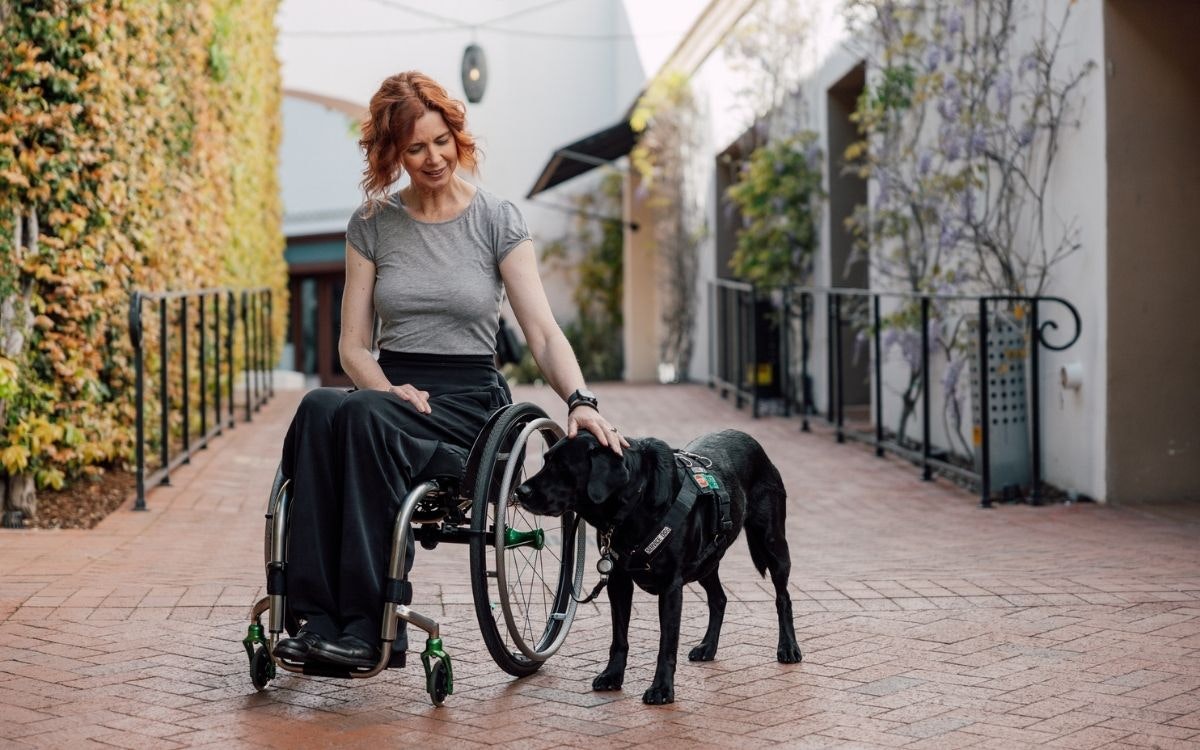
Most accessibility fixes happen after something goes wrong. This article looks at venues, events and community spaces that planned inclusion from day one — creating environments where people with disability can participate without having to ask, explain or negotiate.
Accessibility is often treated like a problem to fix later. A ramp added after complaints. An Auslan interpreter booked once someone asks. A quiet space created when it’s already too late to matter.
But some places are doing it differently — and it shows.
Across Australia, venues, events and community spaces are designing accessibility from the start, not as an add-on. The result isn’t just better access for people with disability. It’s calmer, safer and more welcoming spaces for everyone.
Designing for access from day one
When accessibility is planned early, it becomes part of how a place works — not something awkwardly bolted on.
That means step-free entrances that are actually easy to find, not hidden around the back. Clear signage that doesn’t assume everyone can see or process information quickly. Seating that works for different bodies, energy levels and mobility needs.
It also means thinking beyond physical access. Sensory considerations, clear communication, predictable layouts and flexible participation options are all part of genuine inclusion.
When these things are built into the design, people with disability don’t have to ask for special treatment. They can simply show up.
Events that don’t require negotiation
For many people with disability, attending an event can feel like a negotiation. Emails are sent. Questions are asked. Access needs are explained — again.
Events that plan inclusion early remove that burden.
Some organisers now publish clear access information alongside ticket details. They include quiet spaces, accessible toilets, seating options and Auslan interpretation as standard — not as optional extras. Others consult directly with people with disability during planning, rather than relying on assumptions.
The impact is immediate. People know what to expect. Anxiety drops. Participation increases.
Importantly, access features are available to anyone who needs them, without having to disclose or justify disability.
Community spaces that just work
Libraries, pools, community centres and local venues are often where inclusion is tested — and where good design makes the biggest difference.
Spaces that work well tend to share common features:
-
Logical layouts that are easy to navigate
-
Consistent lighting and reduced sensory overload
-
Staff trained to respond without defensiveness
-
Facilities that are usable, not just technically compliant
These aren’t expensive or radical ideas. They’re the result of listening early and planning properly.
When access is obvious and functional, people with disability aren’t singled out. They’re simply part of the community.
Why “patching” accessibility doesn’t work
Retrofitting access usually means compromises. Temporary fixes. Solutions that technically meet requirements but don’t work in practice.
Patching also sends a message — that access is conditional. That inclusion only happens if someone complains loudly enough or knows how to navigate systems.
Planned accessibility sends a different message. It says: you were expected here.
That sense of belonging matters. It affects whether people return, participate or recommend a space to others.
Better design benefits everyone
When inclusion is built in from the start, the benefits extend well beyond disability.
Parents with prams, older people, people with injuries, neurodivergent people, and anyone navigating heat, crowds or fatigue all benefit from thoughtful design. Clear information, flexible spaces and comfortable environments make places easier to use for everyone.
Accessibility isn’t niche. It’s practical.
Raising the bar
The places getting accessibility right aren’t perfect. But they are intentional.
They plan early. They listen. They accept that access is part of quality, not an optional extra.
As more organisations see the benefits — fewer complaints, better attendance, stronger community trust — the excuse that accessibility is too hard or too expensive becomes harder to justify.
Inclusion works best when it’s planned, not patched. And when it is, people with disability don’t have to fight to be included — they’re already part of the picture.